So, you’ve made the switch to an electric or hybrid vehicle. The silence is golden, the instant torque is addictive, and the fuel savings are real. But here’s the thing—while you’ve said goodbye to oil changes and spark plugs, you’ve said hello to a whole new world of supporting components. The ancillary systems.
Think of it this way: an EV is less like a traditional car and more like a massive, rolling smartphone on wheels. Sure, the battery is the main power source, but what about the thermal management system that keeps it from overheating? Or the complex software that manages every electron? That’s where specialized maintenance comes in. It’s a different mindset.
It’s Not Just the Battery: The Unsung Heroes
Everyone obsesses over battery health—and for good reason. But honestly, the battery’s longevity depends heavily on these other, often overlooked, systems working in perfect harmony. Let’s dive into the key players.
The Thermal Management System: The Climate Control for Your Car’s Heart
This is arguably the most critical ancillary system. Batteries, power electronics, and motors hate extreme temperatures. Too hot, and they degrade rapidly. Too cold, and range plummets. The thermal system uses a network of coolant loops, pumps, valves, and sometimes refrigerants to keep everything in the Goldilocks zone.
Specialized Maintenance Needs:
- Coolant Check & Replacement: EV coolants are often specific formulations designed for low conductivity and longevity. They aren’t your standard green stuff. Servicing intervals can be long (e.g., 100,000 miles), but ignoring them is a recipe for silent corrosion or pump failure.
- Pump and Valve Operation: These are constantly cycling. A failing pump might not trigger an immediate warning, but it’ll slowly cook your battery. Technicians need to scan for fault codes and listen for unusual pump noises during inspection.
- Radiator and Coolant Channel Cleanliness: Debris blocking the radiator reduces efficiency. It seems simple, but it’s vital.
The Regenerative Braking System: More Than Just Brake Pads
Here’s a beautiful piece of engineering. When you lift off the accelerator, the motor becomes a generator, slowing the car and recapturing energy. This means your traditional friction brakes are used far less. You know that.
But here’s the catch: because they’re used so little, brake discs can develop surface rust, especially in humid climates. And the brake fluid? Well, it still absorbs moisture over time, which can lead to internal corrosion in the brake lines and—crucially—in the integrated electronic brake control unit that blends regen and friction braking.
Maintenance shifts from pad replacement to:
- Regular brake fluid flushes (every 2-3 years, typically).
- Inspecting and cleaning brake calipers and discs to prevent seizing.
- Diagnosing any changes in regen feel, which could point to sensor or control unit issues.
The High-Voltage Conundrum: Safety and Support Systems
This is where you absolutely need a trained technician. We’re talking about systems that can carry hundreds of volts. Specialized maintenance isn’t a suggestion; it’s a safety mandate.
Battery Management System (BMS) Software
The BMS is the brain. It monitors cell voltage, temperature, and state of charge. Sometimes, manufacturers release software updates that optimize charging curves or improve thermal management logic. Ensuring your vehicle has the latest BMS software is a form of digital maintenance that can impact long-term health. It’s like updating the operating system on your phone for better battery life.
12-Volt Auxiliary Battery
This is the classic gotcha. Yes, your EV has a massive traction battery. But it also has a small, traditional 12-volt battery that powers the computers, lights, and infotainment. If this goes dead, the car won’t start—or “boot up,” more accurately. It’s often overlooked because it’s not being charged by an alternator in the same way. Regular testing and replacement when needed are essential.
A Practical Guide: What Does This Look Like at the Shop?
Okay, so let’s get practical. What should you expect from a specialized hybrid or EV service visit? It’s a mix of high-tech scans and old-school checks.
| System | Typical Check/Service | Why It’s Different |
| Thermal Management | Coolant level & condition scan; pump operation test; inspect for leaks. | Uses specific coolants; multiple independent loops for battery, motor, and electronics. |
| Power Electronics | Visual inspection for corrosion; thermal imaging for hot spots; software diagnostics. | Inverter and DC-DC converter health is critical for efficiency and performance. |
| High-Voltage Cabling & Connections | Visual inspection (after safe disable), check for chafing or damage. | Safety-critical. Loose connections can cause arcing or resistance, leading to energy loss and heat. |
| Charging Port & Onboard Charger | Check for debris/burn marks; test communication with chargers. | Exposed element; delicate communication pins; the gateway for all energy. |
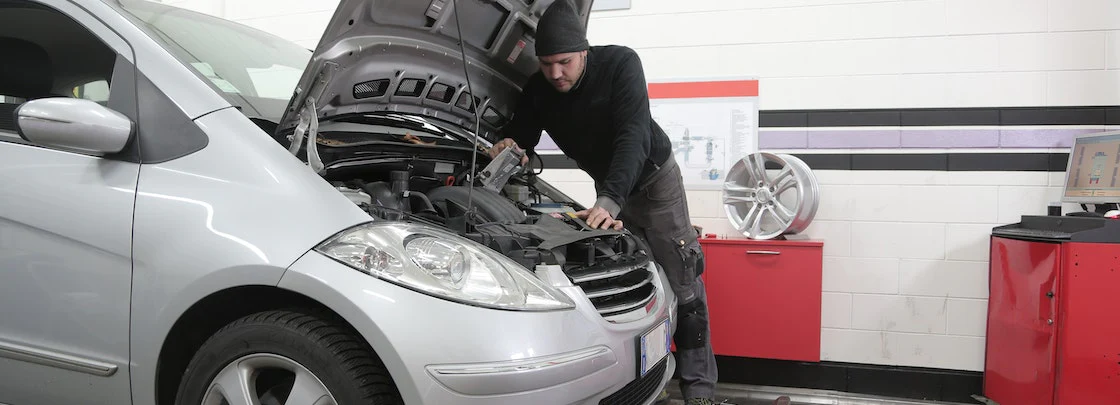
You see, the technician isn’t just looking for worn parts. They’re interpreting data, listening for subtle pump whines, and ensuring all these digital and physical systems are talking to each other correctly. It’s a different skillset.
The Human Element: Finding the Right Care
This is the real pain point for many owners. Not every neighborhood mechanic is equipped—or certified—to handle high-voltage systems. You need a specialist. Look for shops with:
- ASE (Automotive Service Excellence) certifications in Hybrid/Electric Vehicle repair.
- Specific manufacturer training (especially for brands like Tesla, which have proprietary systems).
- The proper safety equipment: insulated gloves, tools, and barrier tape.
- High-quality, EV-capable scan tools that can talk to the BMS and other controllers.
Honestly, building a relationship with a trusted EV specialist is one of the best maintenance moves you can make.
Final Thought: A Symphony, Not a Solo
Owning an electric or hybrid vehicle is a revelation. The simplicity is beautiful. But that simplicity is enabled by profound complexity behind the scenes. The ancillary systems—the cooling, the regen, the software, the tiny 12-volt battery—are the unsung orchestra that allows the battery and motor to perform their solo.
Neglect them, and the music slowly falls out of tune. Pay them the specialized attention they require, and you’re not just maintaining a car. You’re preserving a seamless, silent, and exhilarating experience for the long road ahead. And that, you know, is the whole point.