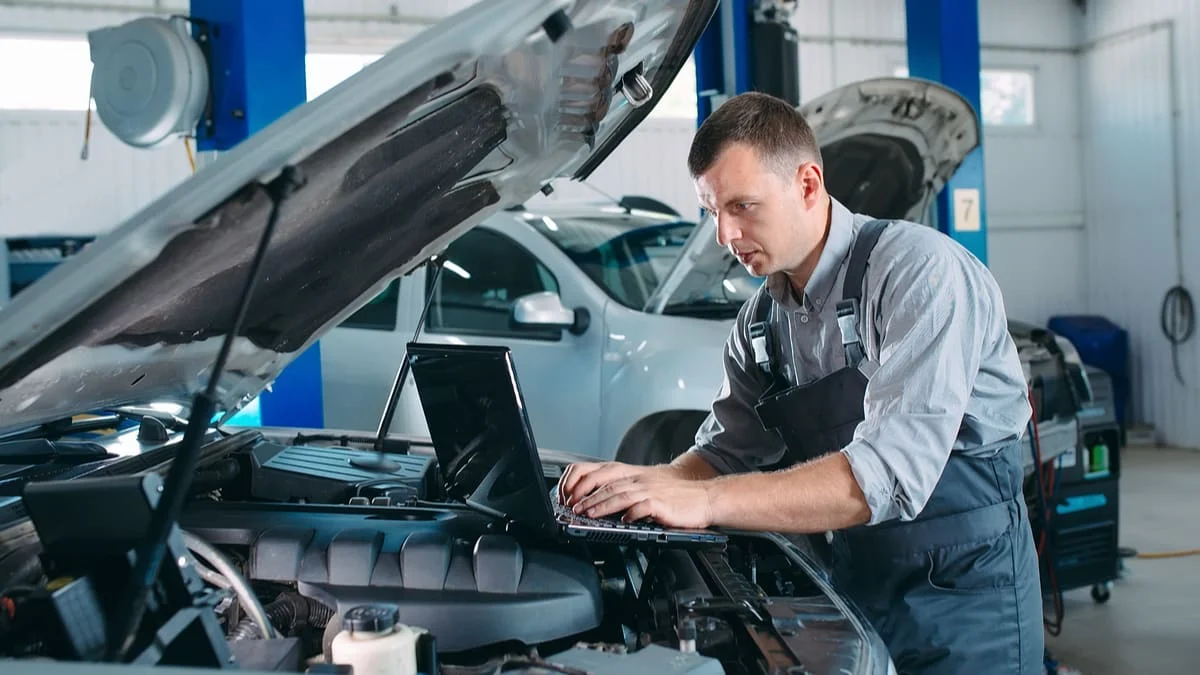
Modern cars are basically computers on wheels. You’ve got dozens of control modules, miles of wiring, and enough sensors to make a smartphone jealous. And when something goes wrong electrically? Well, finding the culprit can feel like searching for a needle in a haystack — except the haystack is hot, and the needle might be melting your harness as we speak.
That’s where thermal imaging comes in. It’s not exactly new technology, but its role in automotive diagnostics has grown fast. Honestly, it’s one of those tools that once you start using, you wonder how you ever managed without it.
What Exactly Is Thermal Imaging?
Thermal imaging cameras detect infrared radiation — heat, essentially — and turn it into a visual picture. Hotter areas show up as bright colors (reds, yellows, whites), while cooler spots appear blue or dark. Think of it like a heat map for your car’s electrical system.
Every electrical fault, well… almost every one, produces heat. Resistance creates friction at the molecular level, and friction means warmth. A loose ground, a corroded connector, a failing relay — they all leave a thermal signature. The trick is being able to see it before something fails completely.
Why Modern Cars Are Trickier Than Ever
Older vehicles were simpler. You had a battery, an alternator, some fuses, and a handful of circuits. Troubleshooting was often a matter of patience and a decent multimeter.
Today? Not so much. Here’s what’s changed:
- Higher current loads — Electric power steering, heated seats, massive infotainment systems, and EV drivetrains pull serious amperage.
- Denser wiring — Cramped engine bays and hidden harnesses make visual inspection nearly impossible.
- Sensitive electronics — A tiny voltage drop that wouldn’t have mattered in 1995 can now trigger a cascade of fault codes.
- Intermittent faults — The worst kind. They show up when you’re not looking and vanish when you are.
Thermal imaging sidesteps a lot of this. You don’t need to physically touch anything. You just point the camera and watch.
Common Electrical Faults Thermal Imaging Can Catch
Let’s get practical. What are you actually looking for when you aim that camera at a car?
1. High-Resistance Connections
A loose or corroded terminal heats up under load. Under a thermal camera, it glows like a tiny campfire. This is probably the most common find — and one of the easiest to fix before it strands someone on the highway.
2. Failing Relays and Fuses
Relays that are on their way out tend to run hotter than their neighbors. Same goes for fuses operating near their rating. Comparing similar components side by side makes anomalies pop instantly.
3. Short Circuits and Ground Faults
A chafed wire touching metal creates a short — and heat. Thermal cameras can trace that heat back to the source, even when the wire itself is buried behind trim panels or under the dash.
4. Battery and Charging System Issues
Bad cells in a battery show up as hot spots. A failing alternator diode? Also hot. Even belt slippage on the alternator pulley can be spotted because of the heat generated by friction.
5. EV and Hybrid-Specific Problems
High-voltage systems are where thermal imaging really shines. You’re not going to poke around a 400-volt battery pack with your bare hands. But an infrared camera lets you inspect contactors, bus bars, and charging ports from a safe distance.
How the Process Actually Works in a Shop Setting
Here’s a rough workflow that many technicians follow:
- Baseline scan — With the vehicle off, take a thermal image of the fuse box, battery, and major grounds. This gives you a reference point.
- Load the circuit — Turn on whatever system is misbehaving. Headlights, HVAC blower, rear defroster… whatever draws current.
- Scan again — Compare the new image to the baseline. New hot spots? That’s your suspect.
- Verify with traditional tools — A thermal camera points you in the right direction, but you still confirm with a multimeter or scope. It’s a guide, not a verdict.
One thing to keep in mind: thermal cameras don’t see through metal. They see surface temperature. So if a fault is buried deep inside a component, you might only catch the heat radiating outward. Still useful, just not magic.
What to Look for in a Thermal Camera
Not all thermal imagers are created equal. For automotive work, here’s what matters:
| Feature | Why It Matters |
|---|---|
| Resolution (at least 160×120) | Higher resolution means you can spot smaller hot spots from farther away. |
| Temperature range | Automotive components can hit 150°C+. Make sure your camera can handle it. |
| Thermal sensitivity (NETD) | Lower is better. Under 50mK helps detect subtle differences. |
| Focus | Manual focus beats fixed focus for close-up work on connectors. |
| Durability | Shops are rough places. Drop-rated and dust-resistant bodies are worth the extra cost. |
You don’t need to spend five figures, either. Mid-range cameras from FLIR, Seek Thermal, and a few others have gotten surprisingly capable. Honestly, for most independent shops, a $500–$1,500 unit covers 90% of jobs.
Limitations — Because Nothing’s Perfect
Thermal imaging isn’t a silver bullet. It has blind spots.
- It can’t detect faults that don’t generate heat (like an open circuit with no current flow).
- Reflective surfaces (shiny metal, glass) can throw off readings.
- Ambient temperature swings affect accuracy — a cold morning scan looks different from a hot afternoon one.
- You still need to understand electrical theory. The camera shows you heat; it doesn’t tell you why.
That said, when combined with a good scan tool and some old-fashioned diagnostic logic, it’s a powerful addition to the toolbox.
The Bottom Line
Electrical gremlins have always been the stuff of mechanic nightmares. They’re invisible, unpredictable, and often expensive to chase down. Thermal imaging flips that script — it makes the invisible visible. It turns guesswork into something closer to detective work.
As cars get more electrified — hybrids, EVs, 48-volt mild systems — the demand for fast, non-contact diagnostics will only grow. Shops that adopt thermal imaging now are basically future-proofing their diagnostic game. And for the rest? Well, they’ll probably figure it out eventually. Or they’ll keep chasing ghosts with a test light.